We get asked this constantly, and we get it - before you call anyone out, you want to know if it's even worth the conversation. Here's what to look for, with the big caveat upfront: you cannot be 100% sure just by looking. The only way to know for certain is a lab test.
The general signs
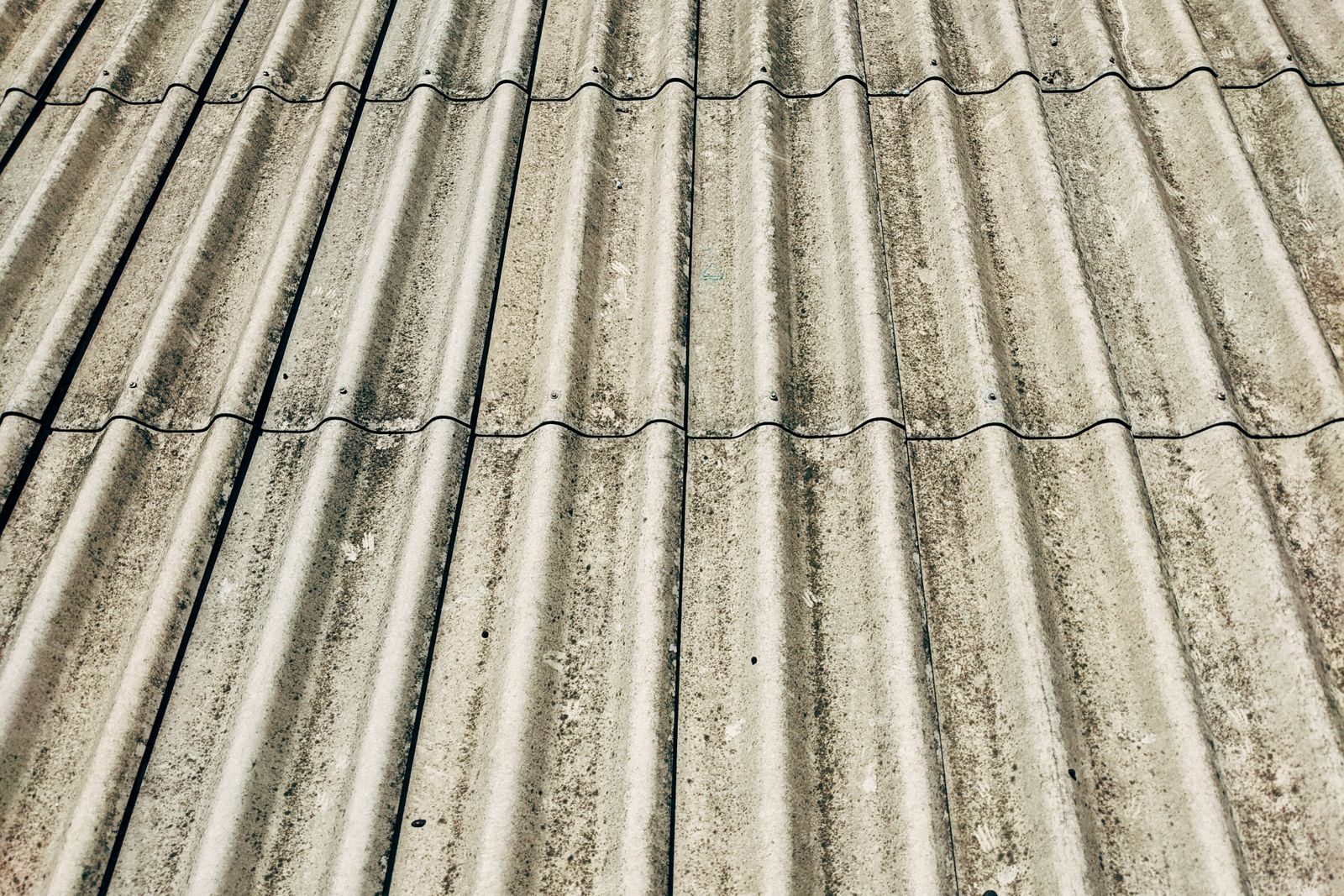
Asbestos cement sheeting (the most common form found in Perth homes) tends to share a few traits:
- Colour: usually grey, sometimes painted over in later years
- Texture: flat or corrugated, with a faint woven or fibrous pattern visible along a cut or broken edge
- Thickness: typically 4–6mm for flat sheeting, thicker for corrugated roofing
- Age cues: fitted before the early 1990s, often with a slightly chalky or weathered surface
Where it commonly shows up
- Fencing - flat sheets between posts, often grey or painted
- Roofing - corrugated "super six" style sheeting on houses, garages and sheds
- Eaves and soffits - flat lining under the roofline, all the way around the house
- Internal walls - especially in garages, laundries, and older bathroom "wet areas"
- Flooring - as a backing layer under vinyl or lino, invisible until the top layer is lifted
What it's not
Modern fibre cement products (like Hardiflex or Scyon) can look similar at a glance but contain no asbestos - they're the product that replaced it after the 2003 ban. This is exactly why appearance alone isn't reliable: a trained eye narrows it down, but only a lab result confirms it.
If you think you've spotted it
Don't drill, cut, sand, or pressure-wash it to "check." Take a photo instead, and either book a test or get a quote for removal if you're confident enough to move straight to action. Either way, we're happy to look at a photo and tell you honestly whether it's worth testing.